

Our Guide To Keeping L168 Butterfly Pleco Fish
-
About Fish Species:
- Scientific name: Zonancistrus brachyurus
- Common name: L168 Butterfly Pleco
- Other common names: Chameleon Pleco, Flounder Pleco and Demini Butterfly Pleco
- Family: Loricariidae
- Origin: Rio Negro river system in Brazil, South America
- Adult length: Approximately 14 to 15 cm
- Lifespan: Approximately 8 to 10 years with suitable care
- Diet: Omnivore with a preference for algae, biofilm and vegetable-based foods
- Care Level: Moderate
- Temperament: Peaceful, although occasionally territorial towards other bottom-dwelling fish
-
Tank Setup:
- L168 Butterfly Plecos require a mature aquarium measuring at least 120L for a single adult. A larger aquarium is recommended when keeping several plecos or other bottom-dwelling fish.
- Use a soft sand or smooth fine-gravel substrate and provide plenty of driftwood, smooth rocks, shaded areas and secure caves.
- Arrange the aquarium decorations to create several separate territories and hiding places. Each pleco should have access to its own cave or sheltered resting area.
- Live plants can be included, although sturdy species such as Java Fern and Anubias are particularly suitable because they can be attached securely to wood or rocks.
- Maintain some algae and natural biofilm within the aquarium because the fish will graze on these surfaces, particularly during the evening and overnight.
-
Water Parameters:
- L168 Butterfly Plecos prefer soft, slightly acidic to neutral water with a pH between 6.0 and 7.5.
- Keep the water temperature between 24 and 28°C (75 and 82°F).
- Maintain stable water conditions with ammonia and nitrite at 0 ppm and nitrate kept as low as reasonably possible.
- Carry out regular partial water changes because plecos produce a considerable amount of waste and can be sensitive to deteriorating water quality.
-
Filtration and Water Flow:
- Use an efficient biological filter capable of handling the waste produced by this species while keeping the water clean and well oxygenated.
- A moderate water current is suitable and will help reproduce the flowing-water conditions found within its natural habitat.
- Provide additional aeration when necessary, particularly in warmer aquariums where the water naturally holds less dissolved oxygen.
- Ensure that filter intakes are protected and that the current does not prevent the fish from resting or feeding comfortably.
-
Diet:
- L168 Butterfly Plecos are omnivorous grazers and should receive a varied diet rather than being expected to survive on aquarium algae alone.
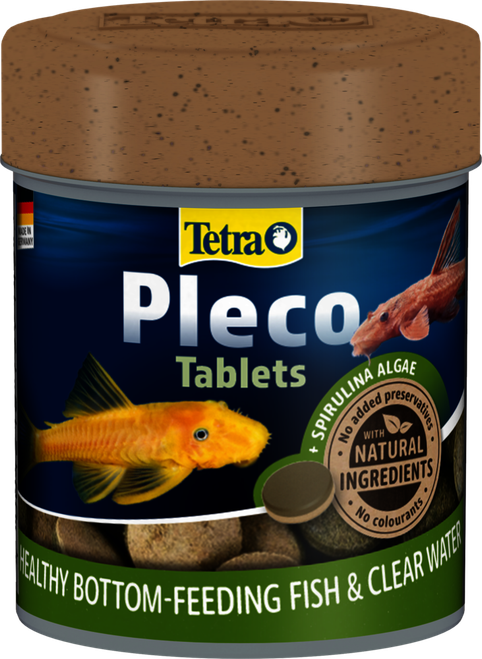
- Offer high-quality sinking algae wafers, spirulina tablets and vegetable-based pleco pellets as staple foods.
- Supplement their diet with blanched courgette, cucumber, spinach, green beans and other suitable vegetables.
- Provide occasional protein-rich foods such as bloodworms, brine shrimp, insect-based pellets or small pieces of frozen food, but avoid feeding excessive amounts of animal protein.
- Feed after the aquarium lights have dimmed or switched off because these plecos are often most active during the evening and overnight.
- Remove uneaten vegetables and other foods before they begin to decay and affect the water quality.
-
Tank Mates:
- L168 Butterfly Plecos can be kept with peaceful community fish that prefer similar warm, soft and slightly acidic water conditions.
- Suitable tank mates include tetras, pencilfish, hatchetfish, peaceful rasboras, dwarf cichlids, Corydoras and other non-aggressive South American species.
- They can be maintained individually or in a compatible group when the aquarium provides sufficient floor space, caves and visual barriers.
- Avoid keeping them with large aggressive cichlids or highly territorial bottom dwellers that may compete for caves and feeding areas.
- Take care when housing several plecos together because territorial disputes may occur when hiding places or food are limited.
-
Behaviour and Compatibility:
- L168 Butterfly Plecos are generally peaceful, shy bottom dwellers that spend much of the daytime resting beneath wood, inside caves or in shaded areas.
- They usually become more active during the evening, when they emerge to graze on algae, biofilm and prepared foods.
- Their body colour and pattern can change depending on their surroundings, mood and stress level, which is why they are sometimes called Chameleon Plecos.
- Although peaceful towards most community fish, adults may defend preferred caves from other plecos, particularly when aquarium space is restricted.
- Provide several feeding locations so shy specimens receive enough food and are not outcompeted by faster or more assertive tank mates.
(No reviews yet)

Write a Review